
Garv Pal
1. Rising Consumer Awareness
Modern consumers are actively choosing environmentally responsible products. Key factors driving demand include:
Concern for plastic pollution and marine waste
Preference for chemical-free, natural food-contact materials
Growing adoption of sustainable lifestyles
Higher awareness through social media and global eco-movements
Eco-conscious buyers now expect compostable, natural, and toxin-free alternatives in restaurants, hotels, events, and takeaways.
2. Shift in Purchasing Behaviour
Consumers are no longer buying disposables based only on price—they are considering:
Material origin (leaf, agricultural waste, plant fibre)
Compostability and biodegradation speed
Heat, oil, and liquid resistance
Sustainability certifications
Brand reputation for environmental responsibility
This shift has led to strong growth in premium-quality eco tableware across retail and wholesale markets.
3. Impact of Government Regulations
Across many countries, bans on single-use plastics are pushing businesses toward eco-friendly solutions. Nations leading the change include:
EU Countries, USA (several states), Canada, Australia, UK, UAE, India, Singapore, and South Africa.
Regulations encourage:
Use of biodegradable food packaging
Adoption of compostable substitutes in both food service and domestic sectors
Increased imports of eco tableware from reliable manufacturers and exporters
4. Rapid Growth in Commercial Demand
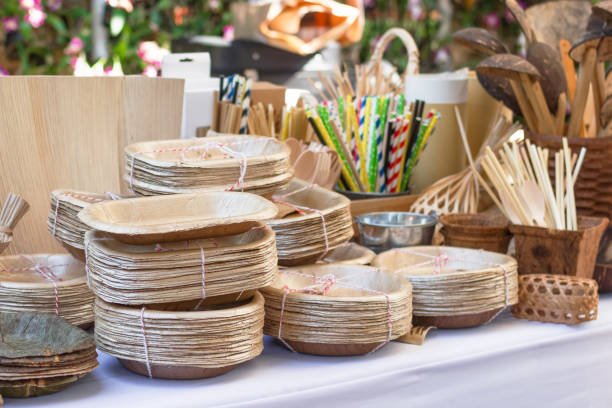
Eco tableware is witnessing high adoption in:
HORECA sector (Hotels, Restaurants, Cafes)
Catering & Events
Corporate cafeterias & institutions
Airlines & travel industry
Retail stores & eco-lifestyle brands
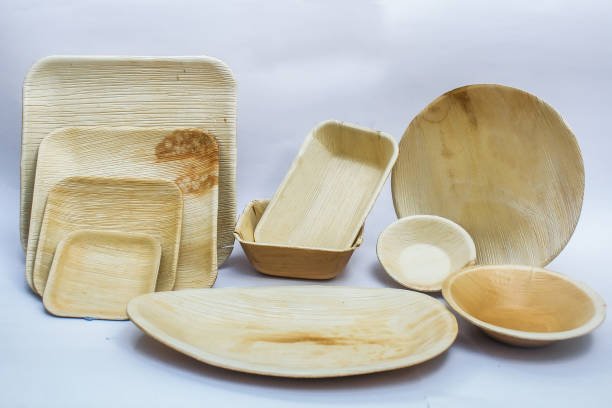
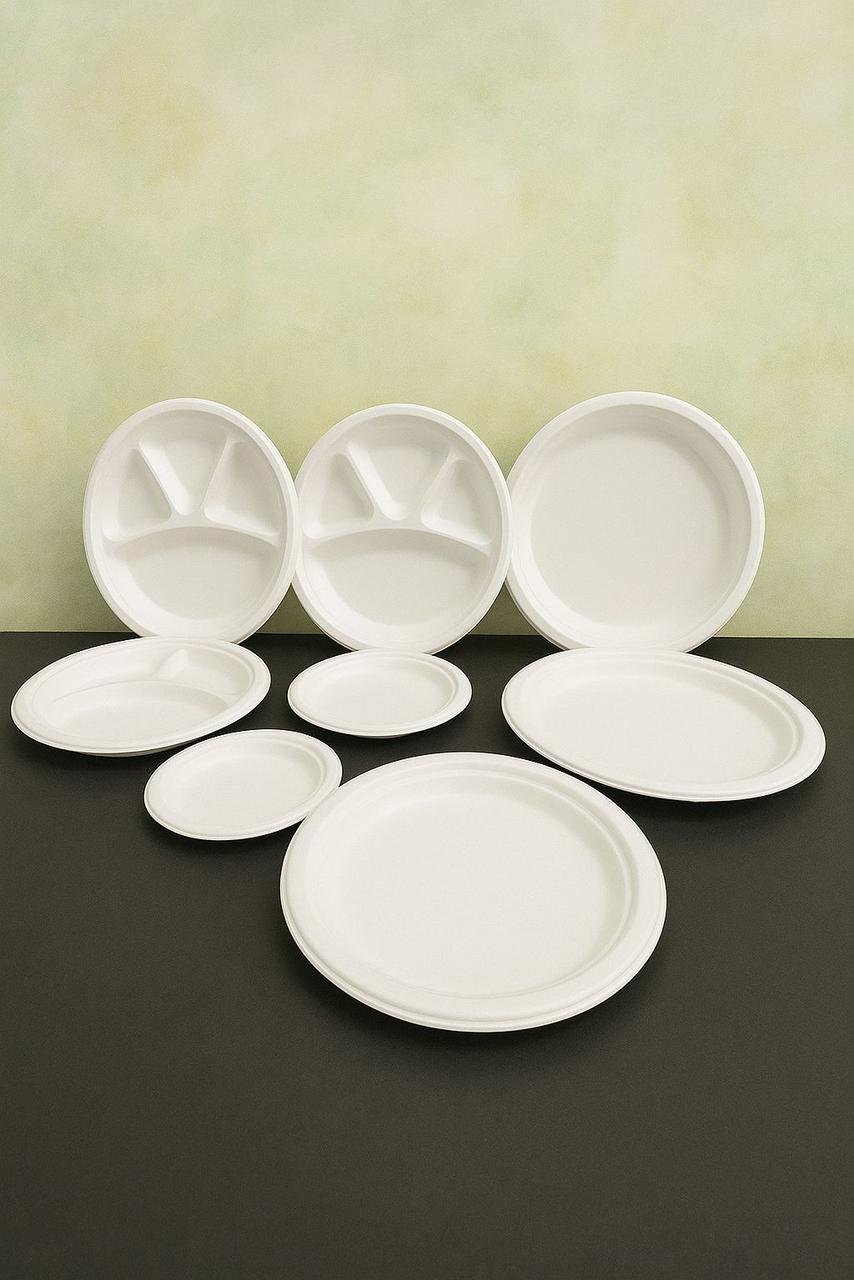
Bulk buyers prefer Areca Leaf and Bagasse products due to their:
High strength
Natural appearance
Zero chemical processing
Quick biodegradability
5. Market Shifts Toward Natural Fibers
The market is transitioning from synthetic plastics to areca leaf, bagasse, bamboo, PLA, and plant-based materials. Areca and bagasse are especially popular because they use agricultural waste, promoting a circular economy.
6. Future Outlook
The global eco tableware market is expected to grow at 15–20% CAGR, driven by:
Increased environmental regulations
Consumer demand for safe, natural, biodegradable products
Innovation in eco-friendly packaging
Rising import opportunities across North America, Europe, GCC, and Oceania
Eco tableware is no longer a trend—it has become a mainstream sustainable solution with strong long-term global demand.